There’s no such thing as “a creative person”
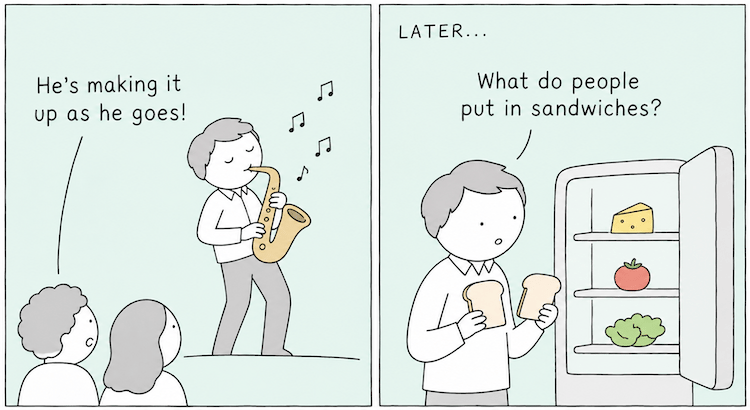
Our research lab and I dug into the science of creativity recently. We looked at data from 3,841 people across ten areas, like music, writing, and science.
Personality
The Personality Test Career Deep ReadCareer Intelligence
Elevator Pitch AI Impact Map Personal Brand Strategy Ask CoachedThe Lab
The Coached Model Coached Premium Coached Weekly PricingSmall, useful ideas from the Coached newsletter.
Our research lab and I dug into the science of creativity recently. We looked at data from 3,841 people across ten areas, like music, writing, and science.
It sounds too simple to count as advice, but very few of us do it, and the payoff is lopsided.
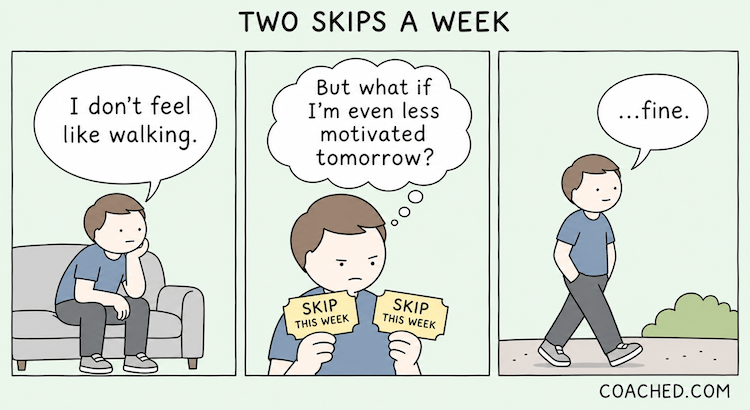
Say you want to walk more. Which goal would you set?
The psychologist Adam Mastroianni likes to ask people what they’d do if they could do anything. A lot of them say: “I’d really love to run a little coffee shop.”
Do you know your answer to this?
Steve Jobs once said: “Everything around you that you call life was made up by people that were no smarter than you. And you can change it, you can influence it.”
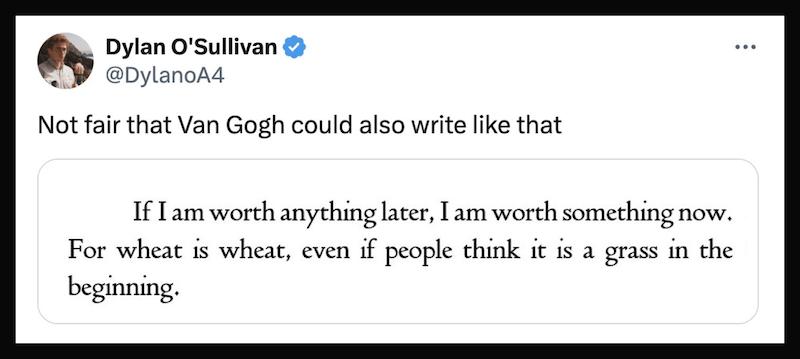
Early in his career, long before anyone bought a painting, Van Gogh wrote to his brother: “If I am worth anything later, I am worth something now. For wheat is wheat, even if people think it is a grass in the beginning.”
The creators of South Park once explained how they check whether an episode is good. They write out everything that happens, one line per event, and look at the words that sit between the lines. If the lines are joined by “and then”, the episode is gonna be boring.
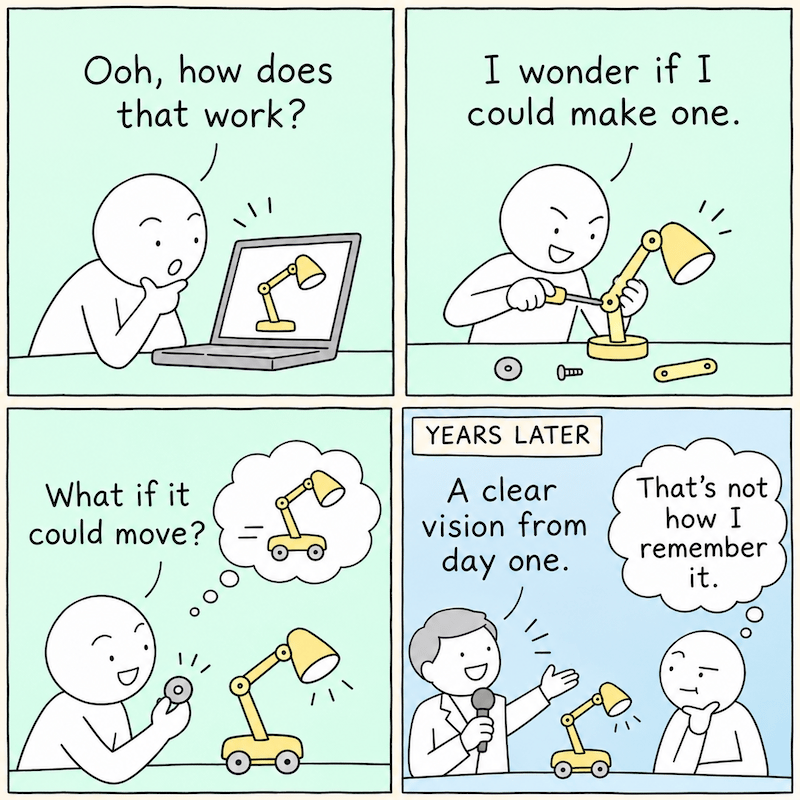
Tobi Lütke, who founded Shopify, tweeted: “People overestimate vision and underestimate what you can build when you follow your curiosity one step at a time for a decade+.”
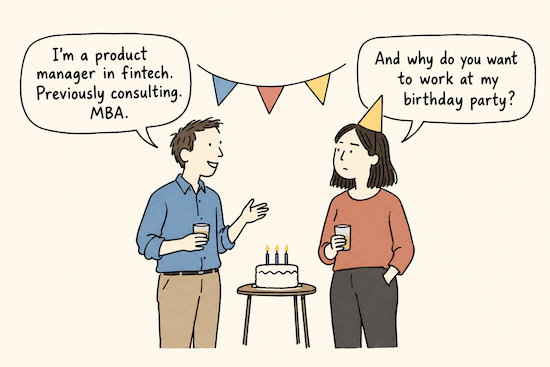
Here's a good rule when meeting someone new: don't just tell them what you do. Give them something interesting to ask you about.
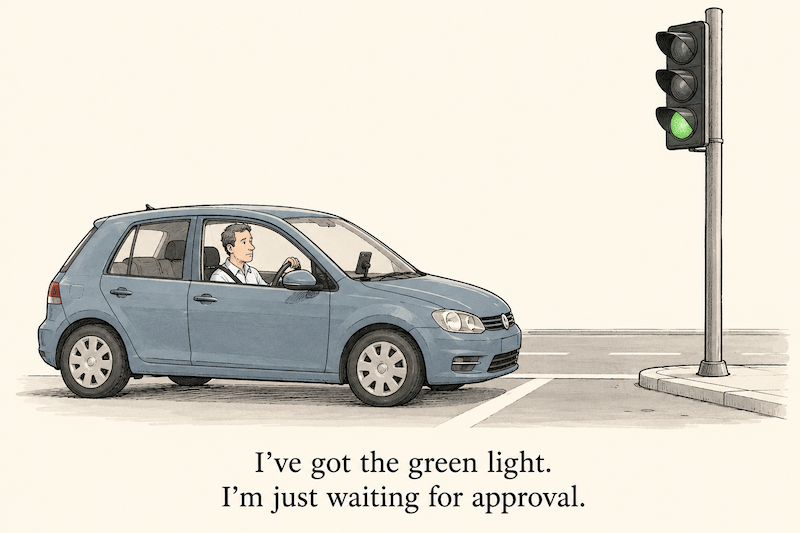
One habit that can hold you back as you become more senior: continuing to ask for approval on decisions you're perfectly capable of making.
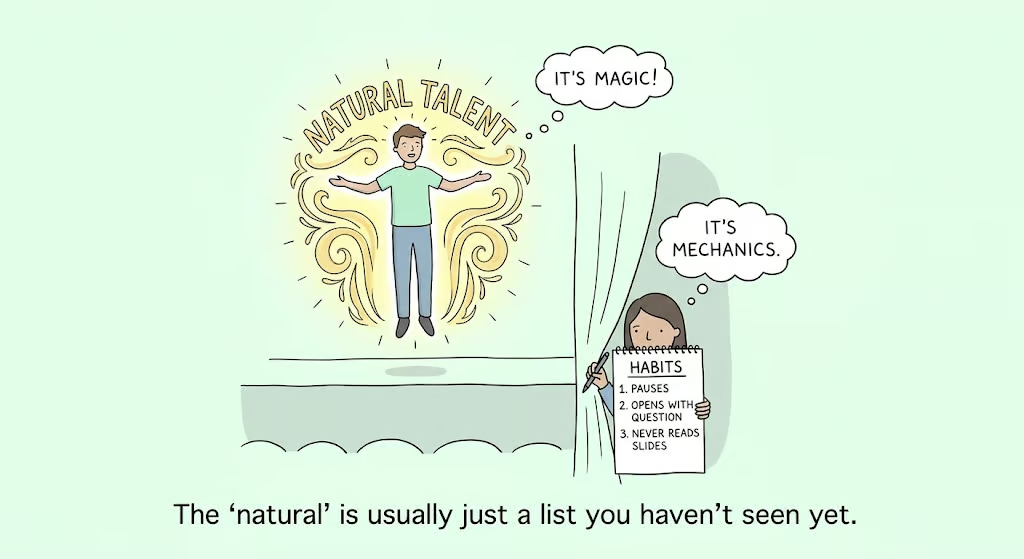
One of the least useful things you can say about someone is: “They’re just naturally good at it.”
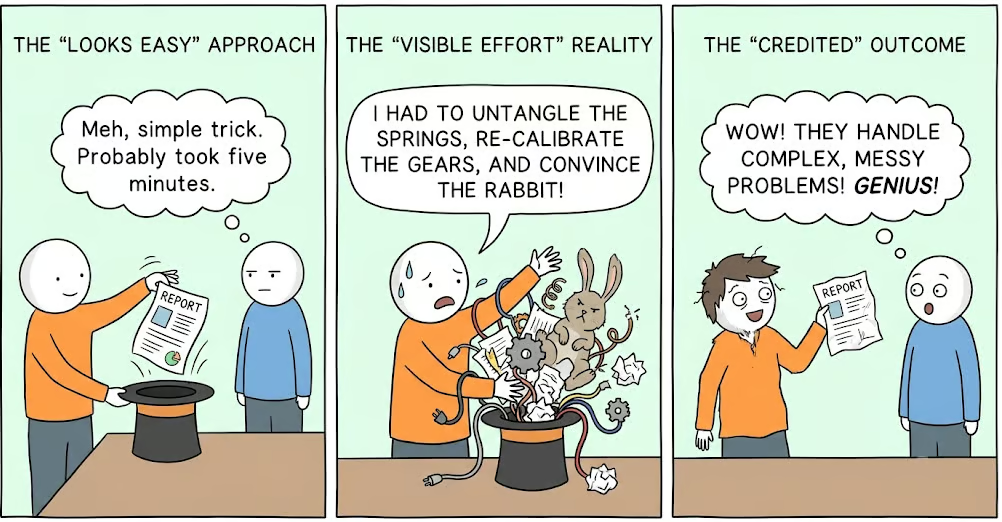
One easy way to get under-credited at work is to make difficult things look routine. You spend two days untangling bad data, chasing down missing context and fixing someone else's assumptions, then send: "Done! Here's the answer." To most, it’ll look like it was easy.
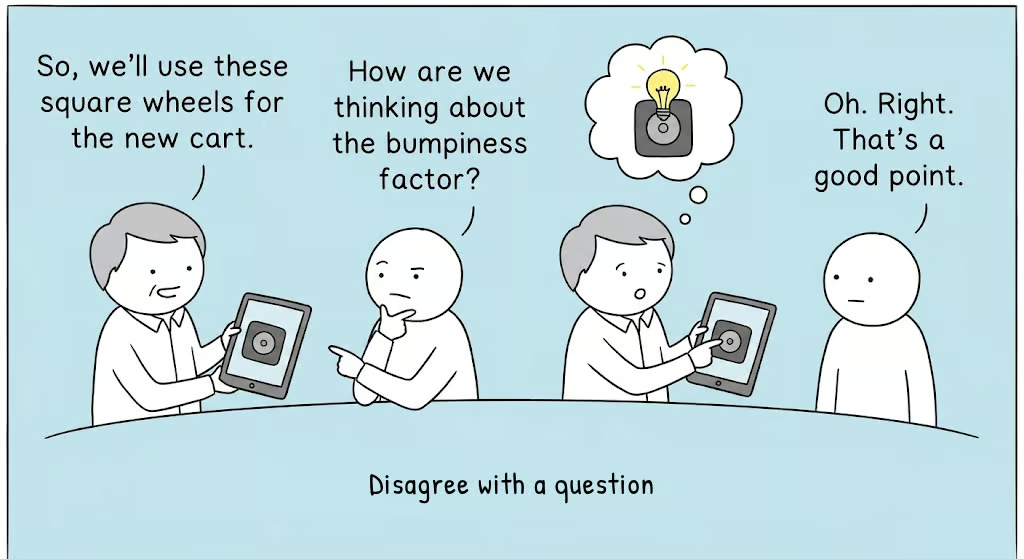
When someone senior proposes something flawed, "I disagree, that won't work" forces them to defend it. Now it's their ego vs. your point, and their ego wins. Instead, ask the question that leads them to the flaw: "How are we thinking about this handling the Q4 volume spike?"
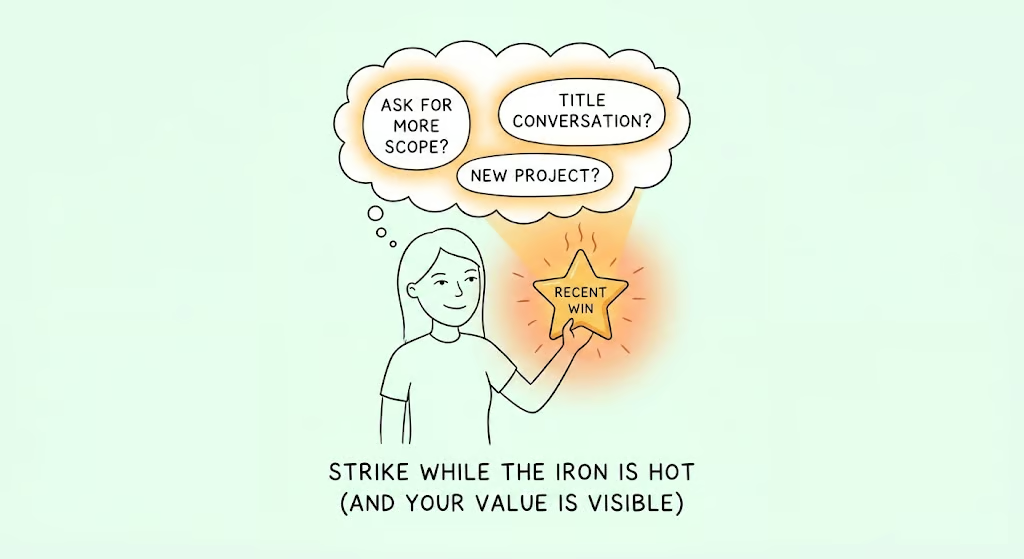
People think there’s a “right time” to ask for things at work: during a review, in a 1:1, when budgets get set.
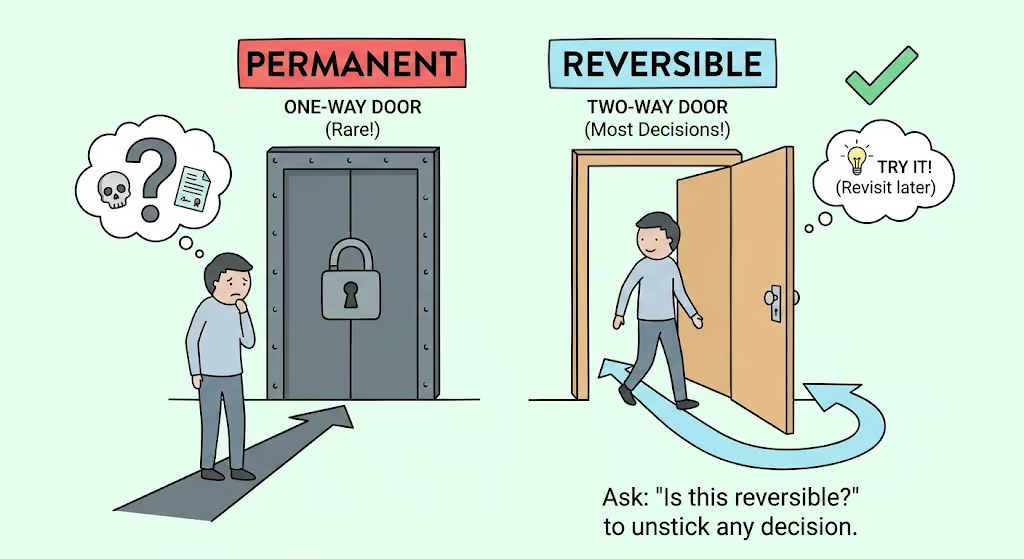
Teams agonize over decisions as if every choice is permanent. Almost none are. There are two kinds of decisions: one-way doors (can't undo → quitting, firing, signing the big contract) and two-way doors (walk back through anytime → the tool, the format, the process tweak).
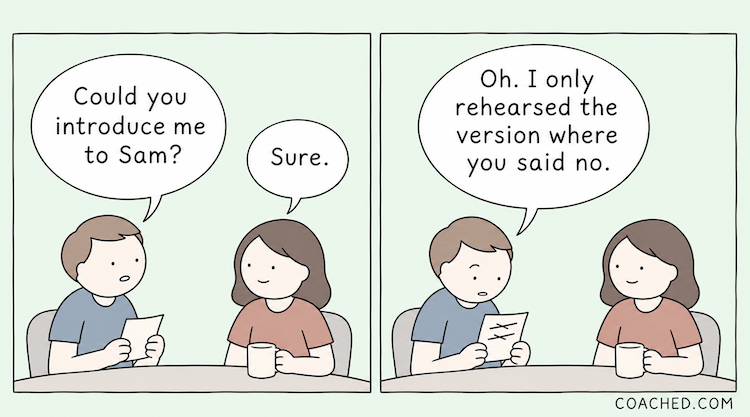
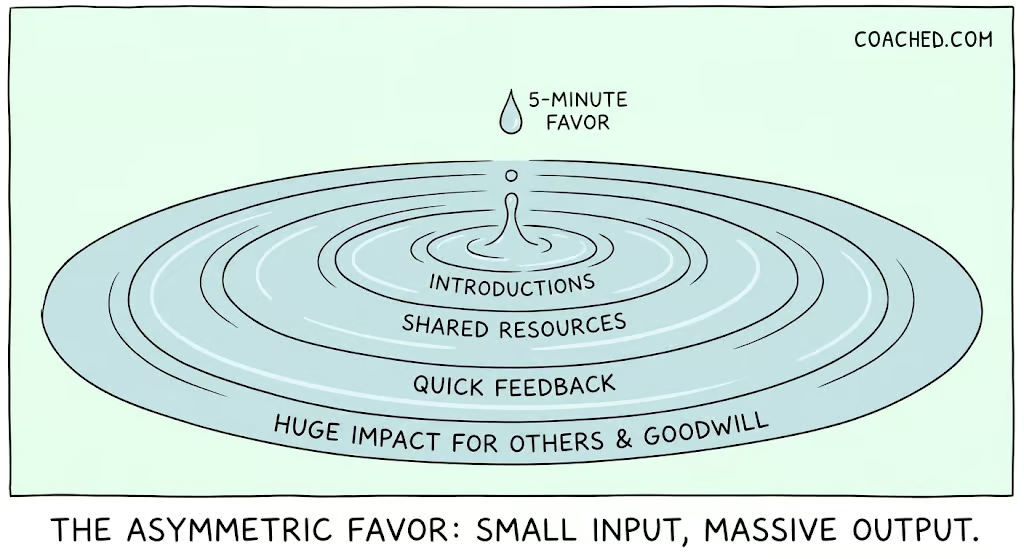
Some favors are wildly asymmetric: five minutes for you, potentially huge for the other person: forwarding a job post, introducing two people, sharing your template, a 5-minute gut-check on their draft.
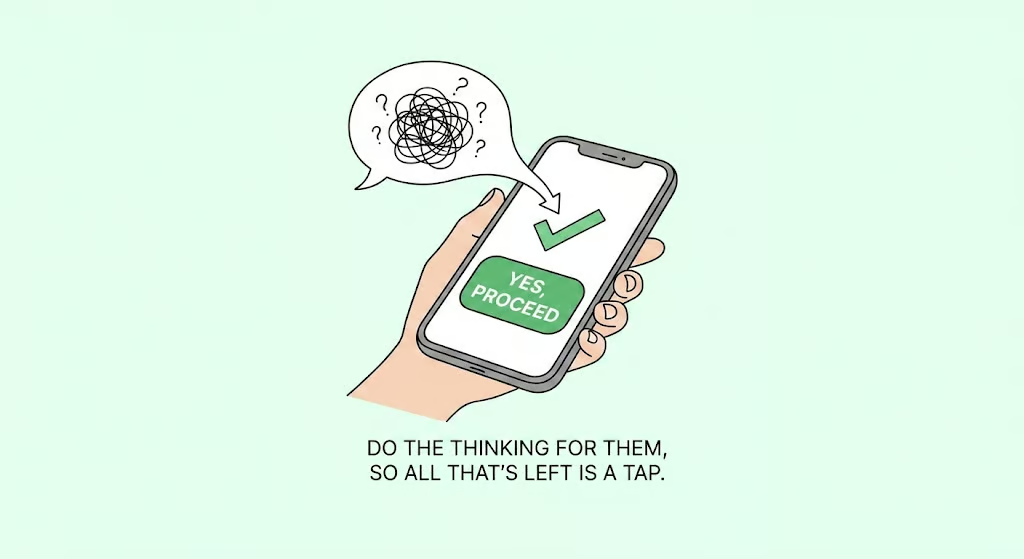
A habit worth building early: whenever you write to someone, do the thinking on your side, so all that's left on theirs is a decision. "Thoughts on this?" hands them work — they now have to figure out what you're really asking, form a view, and compose an answer.
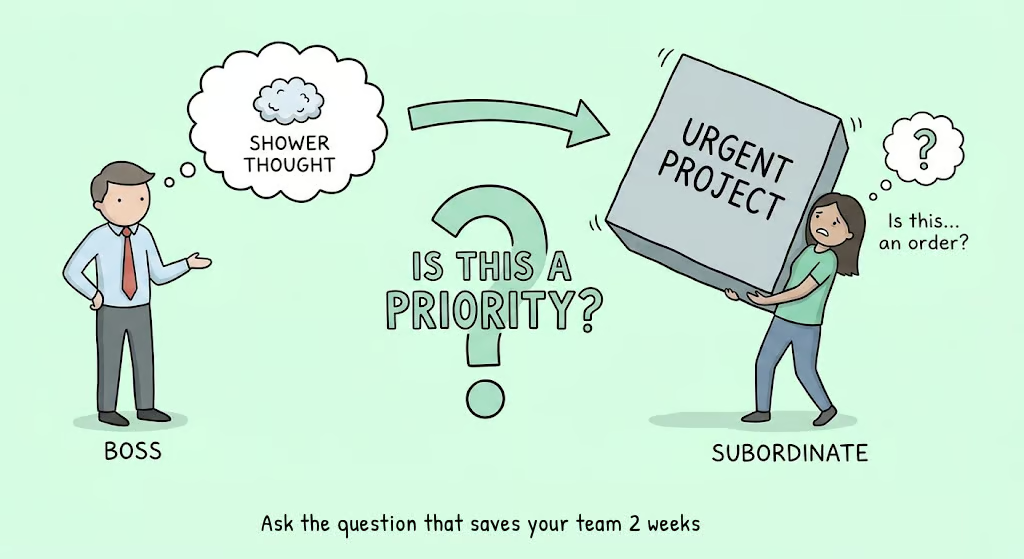
A weird dynamic you’ve probably experienced: the more senior someone is, the more their offhand comments get treated as orders. A VP muses "have we ever looked at X?" in a meeting, and someone burns two weeks building a deck on X — that the VP didn’t really care about.
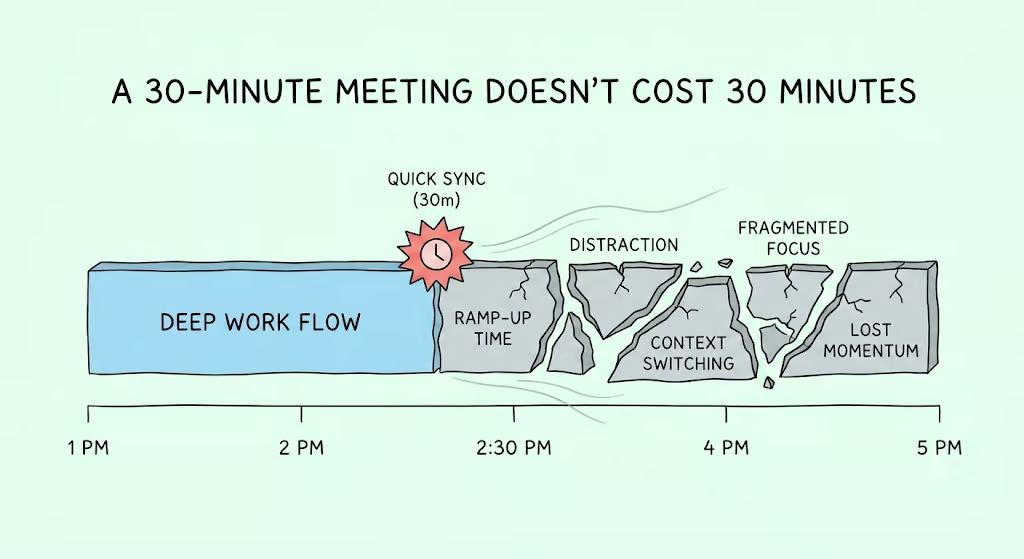
For managers, meetings are the job — their day is already chopped into hourly slots, so one more costs exactly one slot. But for anyone doing deep work (coding, writing, analysis), a 2pm meeting doesn't cost 30 minutes. It costs the whole afternoon: the morning is spent knowing it's coming, and real focus can't spin up in the fragments around it.
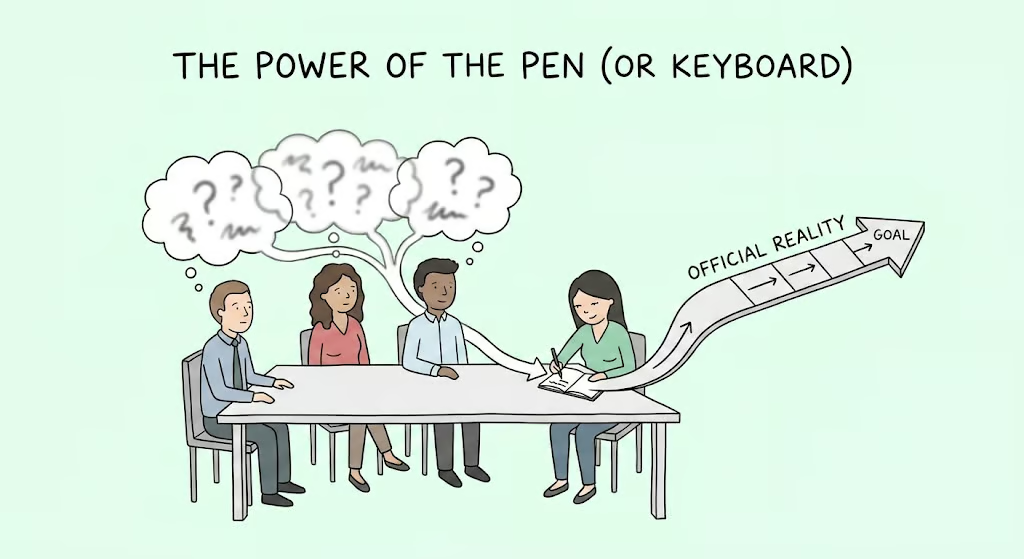
Meetings end fuzzier than you'd think — everyone leaves with a slightly different version of what was agreed. The person who sends the follow-up ("here's what we decided, who owns what") is the one whose version becomes reality.
Most people save compliments for the person's face. But praise actually hits hardest secondhand — when it gets back to someone that you said something good about them when you had nothing to gain. "Oh, Jordan mentioned you crushed that presentation" lands ten times harder than Jordan telling you directly, because there's no angle to it.
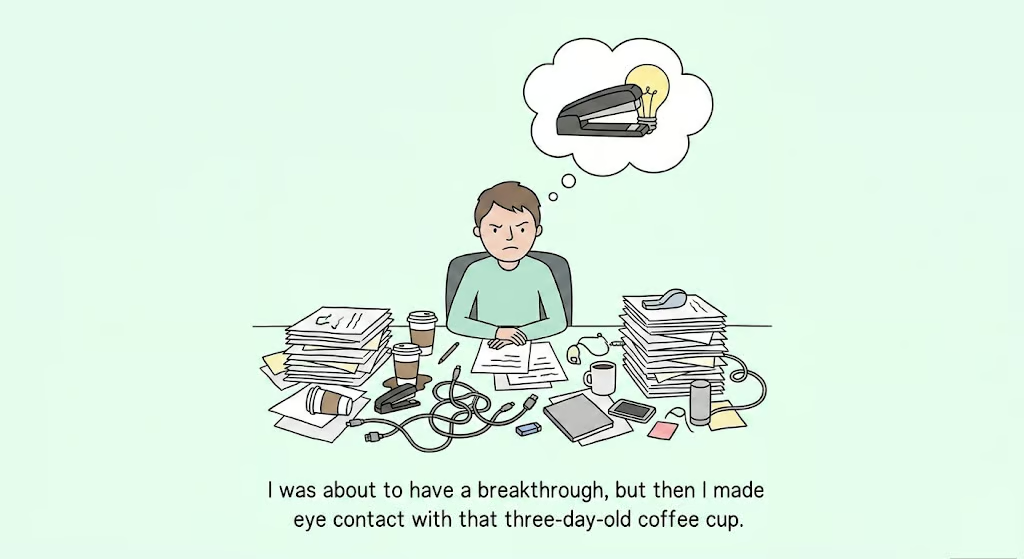
A messy desk is low-level chaos your brain is processing whether you notice it or not. Clean it up and you'll feel the difference immediately.
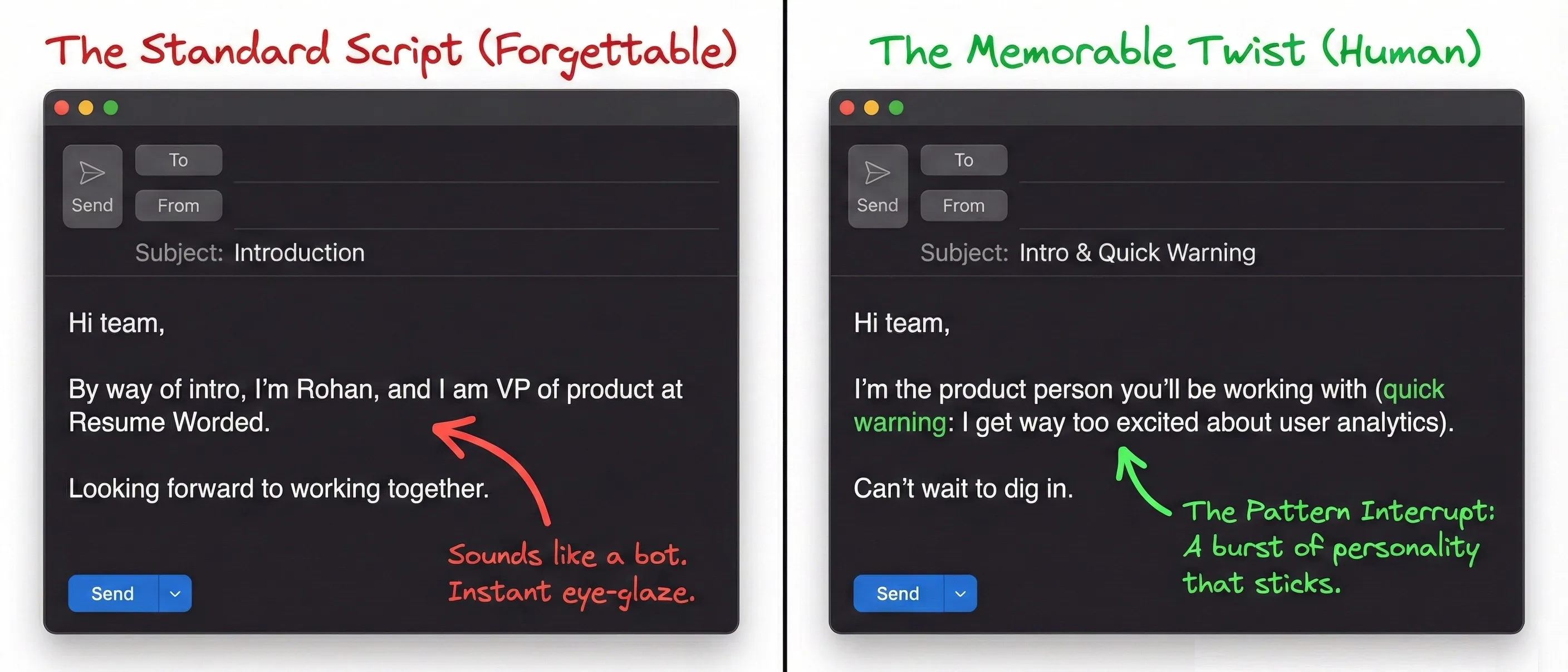
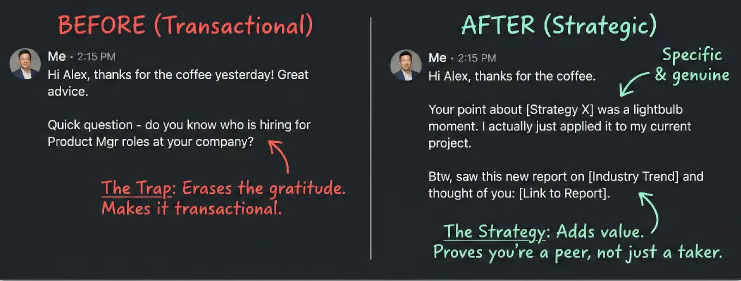
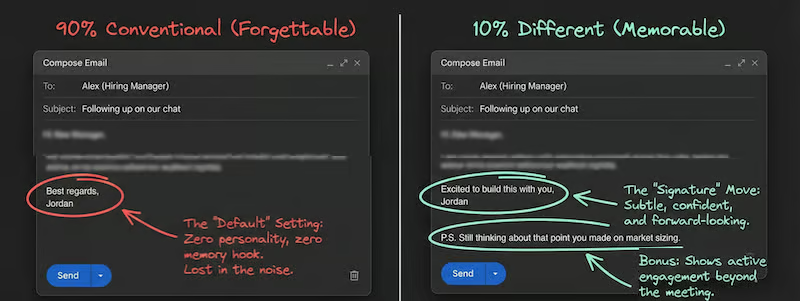
In your career, you're gonna write hundreds of emails that people have seen before — intros, thank-yous, follow-ups. Most of these instantly get forgotten because they're generic ("Nice to meet you" or "Thank you for your time yesterday").
A simple trick when sending thank-you messages professionally: always include a small, specific value-add. Instead of just saying thanks and immediately asking for another favor (which can feel transactional), mention something genuinely useful or interesting that's related to your last conversation.
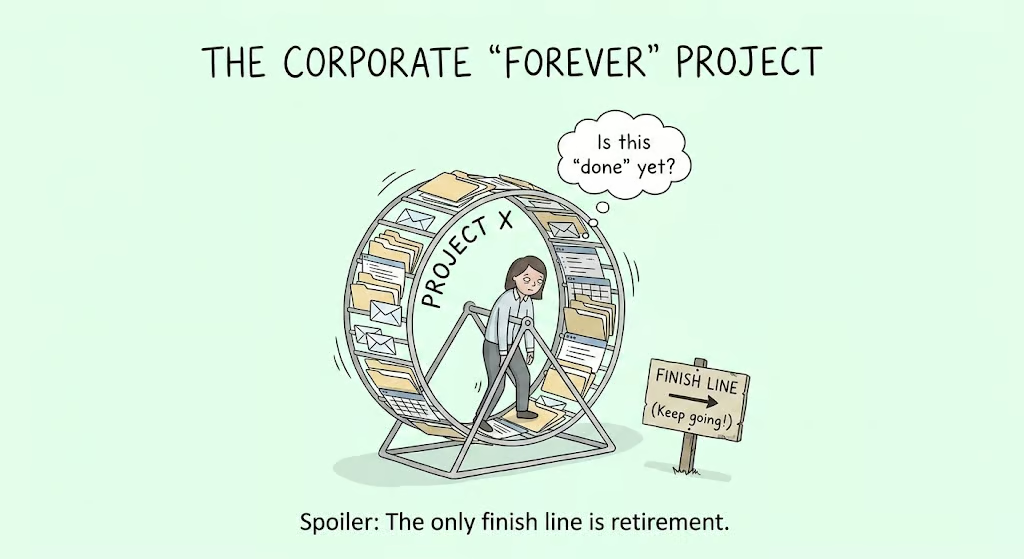
Before starting any task or project, ask: "What does done look like?"
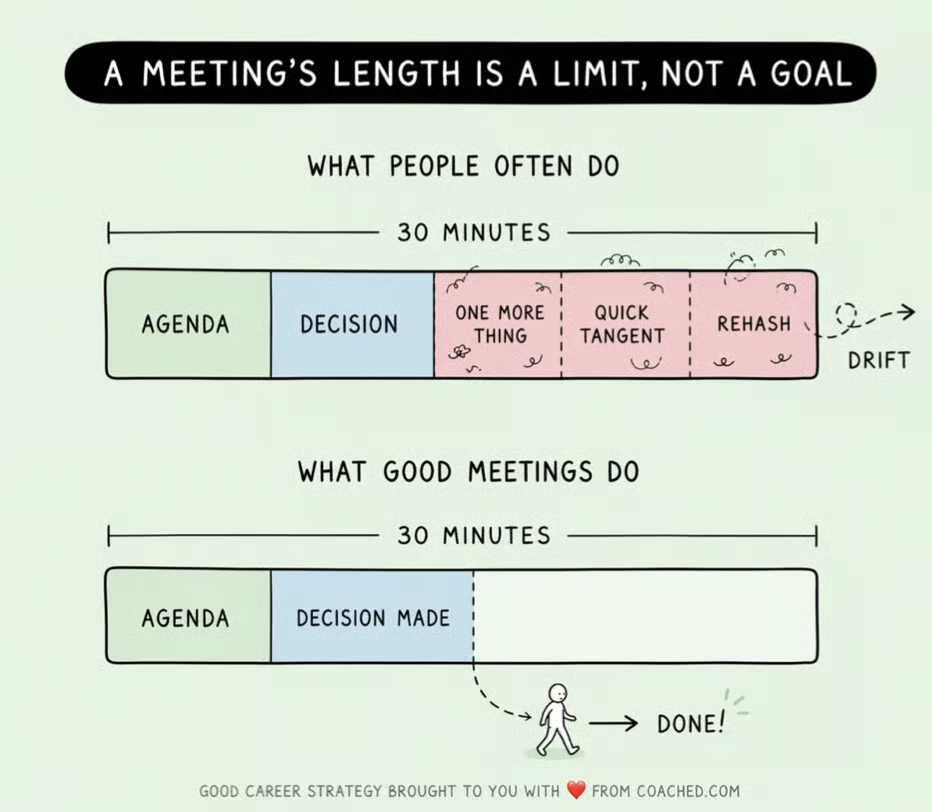
If a meeting's scheduled for 30 minutes but everything's covered in 20 — end it. Don't fill the remaining time just because the calendar says so. A lot of people treat scheduled time like it has to be used up, so they start pulling in loosely related topics or rehashing things that are already decided. Finishing early shows you know what the meeting was actually for — to make decisions. Your colleagues will quietly love you for it.
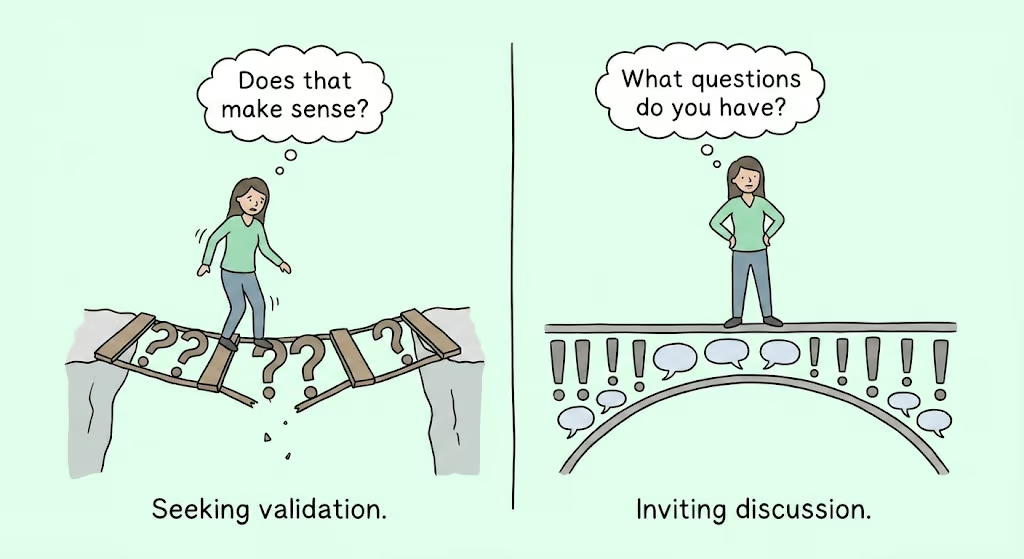
It's tempting to ask this after explaining something, but it signals uncertainty — you're basically asking people to confirm you did a good enough job communicating. It puts doubt on everything you just said. Ditch it. Along with stuff that makes you sound uncertain — like: "Am I being clear?" "Sorry, that was probably confusing.".
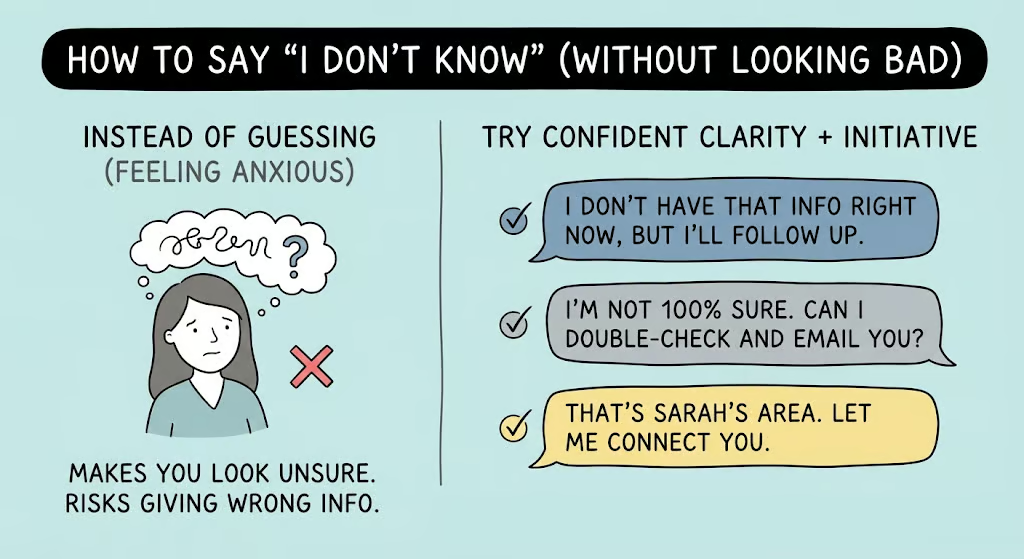
If you're put on the spot in meetings, it's natural to feel like you have to guess or fake an answer. But guessing usually makes you look worse. I've found it better just to confidently say something like:
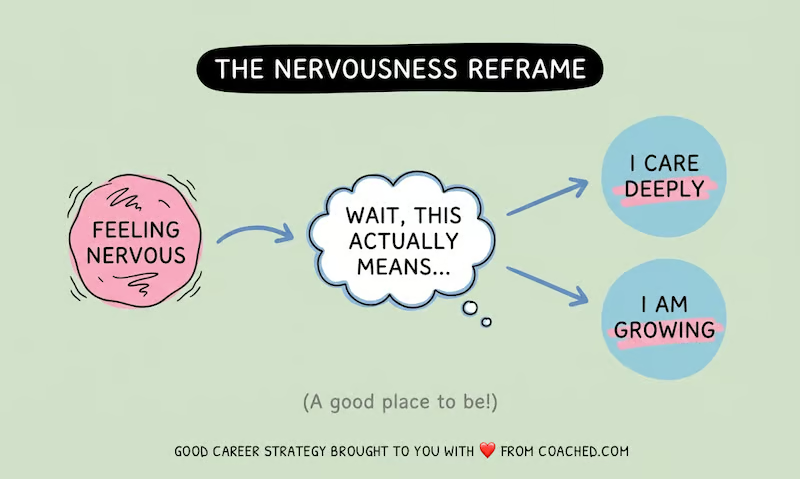
I love when I feel nervous - which I know sounds a bit weird. Why? Because I’ve realized it means I’m doing something I genuinely care about, or something outside my comfort zone (a good place to be!).
Have you ever stopped to look back at your career? There's a Steve Jobs quote I think about a lot: "You can’t connect the dots looking forward, only looking backwards."
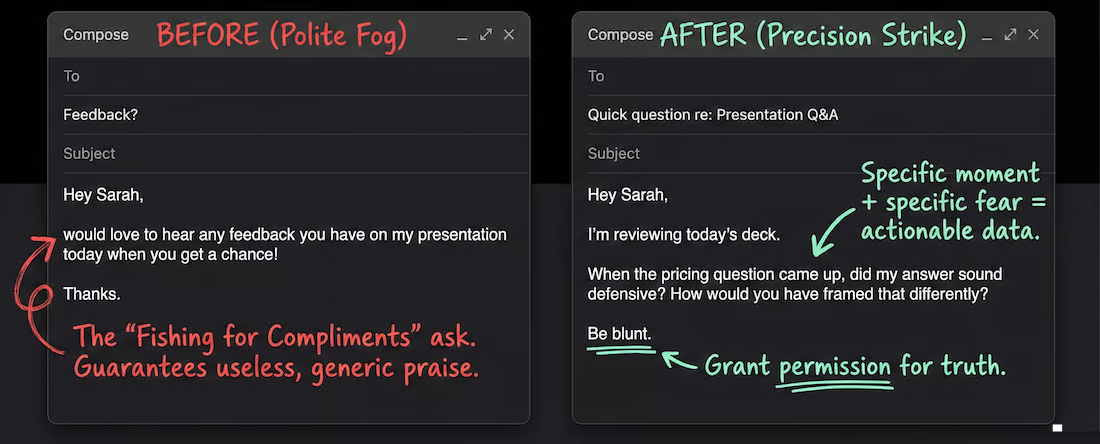
A small thing I've learned about feedback: general requests ("Any feedback?") almost always produce vague, generic responses ("Yeah, it was great!"). If you want useful input, get specific.
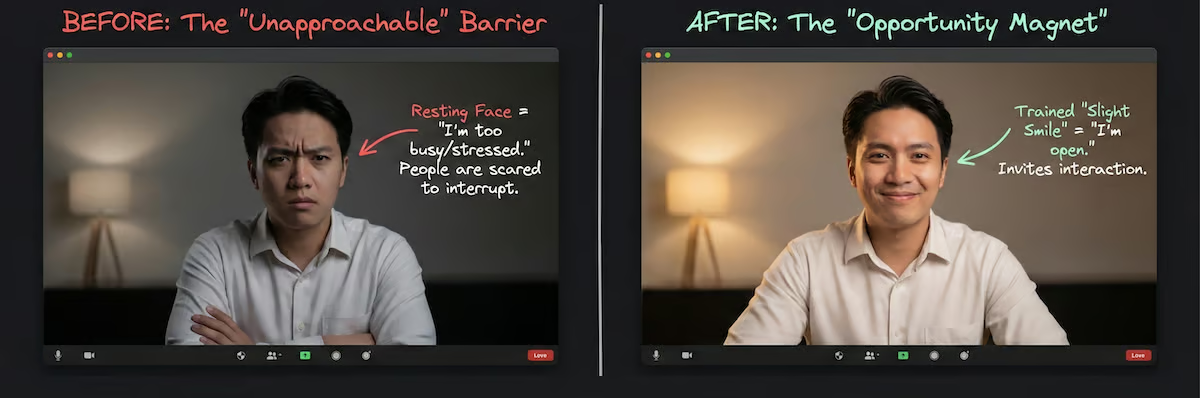
I think something people rarely think about — but should — is whether they’re easy to approach at work. Opportunities often start casually, like someone inviting you to something or asking your input on a quick question. But if you accidentally look stressed or serious (we all do this!), people might hesitate: "Oh, you looked busy," or "You seemed annoyed."
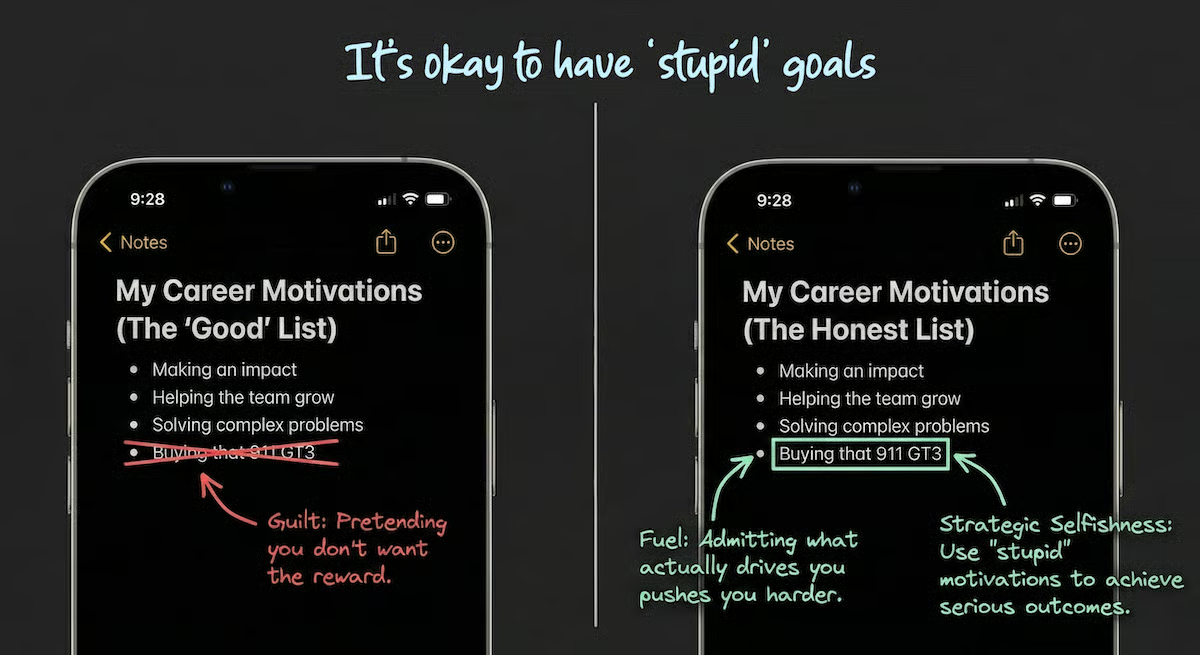
Quick rant: I don't think it's bad at all to have materialistic goals (like wanting to fly business class, or buy a nice handbag). People sometimes get judgy about it, but I think whatever motivates you is good - especially if it gets you moving. Often the "shallow" goals push you and then later on you end up finding deeper reasons to keep pushing forward anyway. So don't discount them - and definitely don't judge others for theirs either.
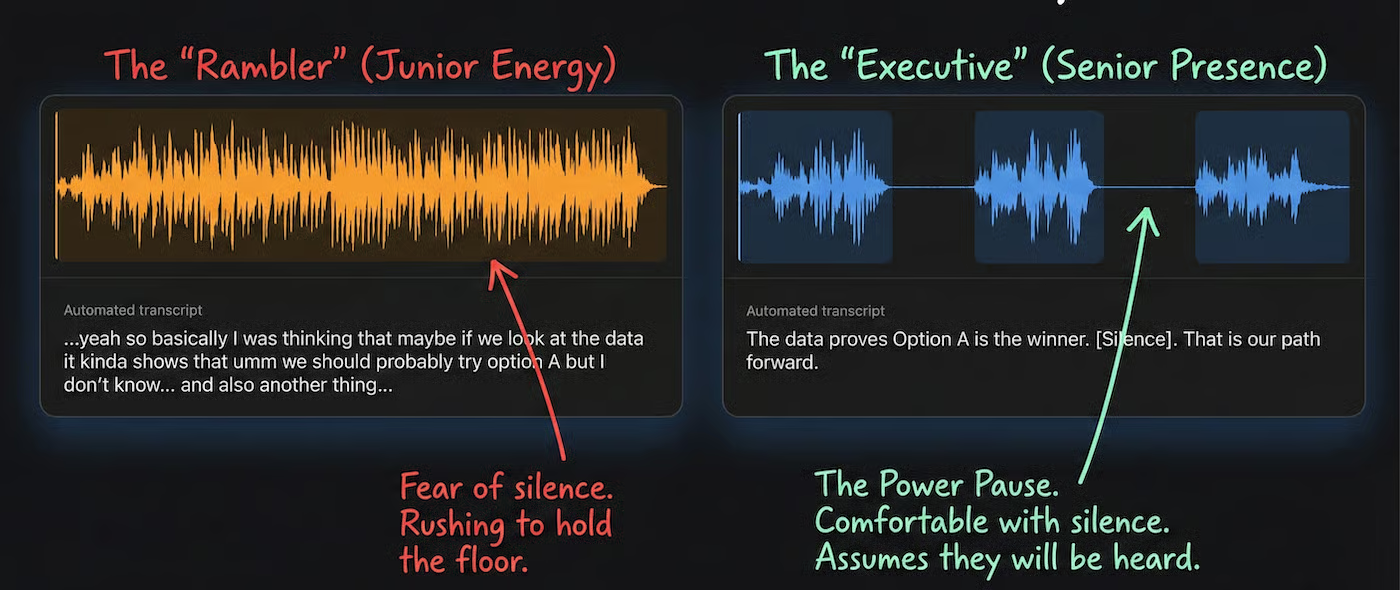
Something helpful if you're trying to sound more confident at work: slow down your speech and pause slightly longer between points. Most people rush or ramble because they're uncomfortable with silence, but short pauses actually make you sound more sure of what you're saying. It's a small change, but surprisingly effective.
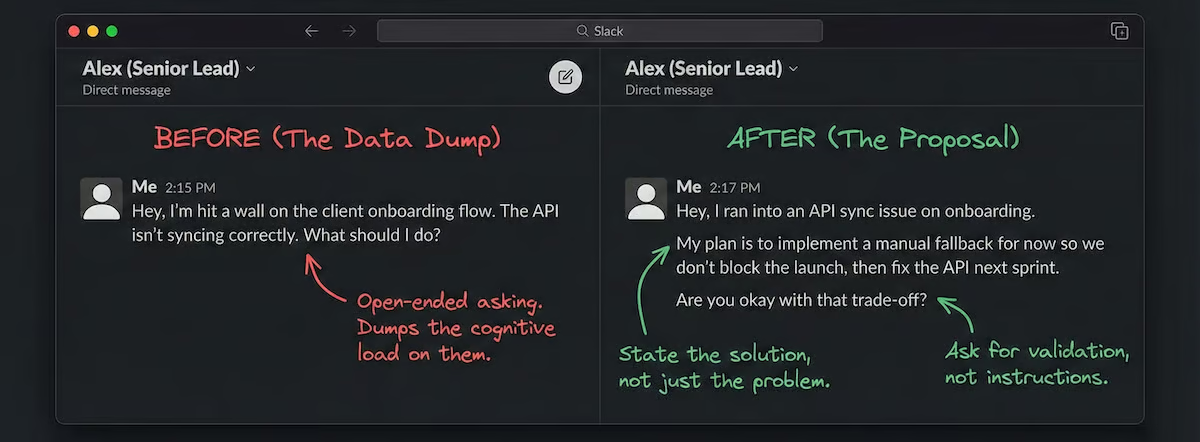
When you run into an issue at work, don’t just tell your manager or team "Hey, this broke, what should I do?" Instead, always pair the problem with a suggested solution ("Here's what's broken, and here's how I think we can handle it").
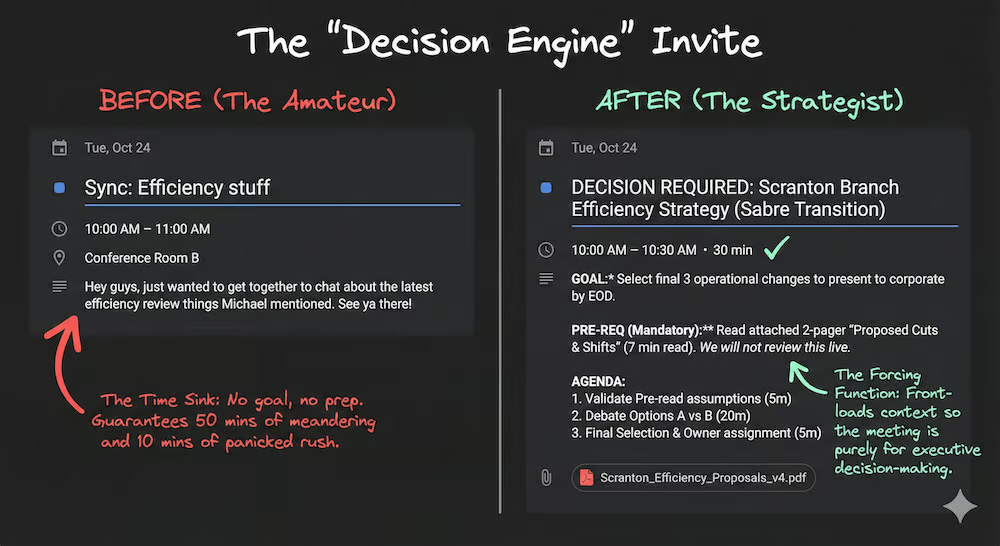
A big difference I notice between average and strong employees is clarity. Average employees and managers don’t know what they want and set vague meetings ("quick sync about strategy"), which tend to waste time. The best employees clearly state exactly what decision they need ("choose our vendor by EOD"), required prep ("read this short doc"), and a simple agenda.
I think a good trick for standing out professionally is just doing things slightly differently than what's expected. For example, almost everyone uses identical email sign-offs ("Speak soon"), so even a tiny tweak (like “Can’t wait to compare notes on this,”) to it makes people notice you more.
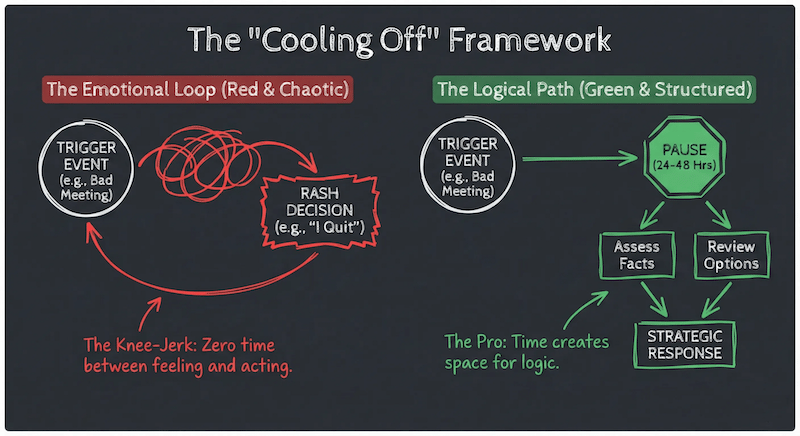
A good rule for handling tense or frustrating situations at work is to always give yourself some breathing room before responding. When something triggers you - like getting unfair criticism in a meeting or seeing a rude email - just wait 24 hours before taking action. I know it’s tempting to fire off an angry reply, but often that’s your emotional brain in the heat of the moment.
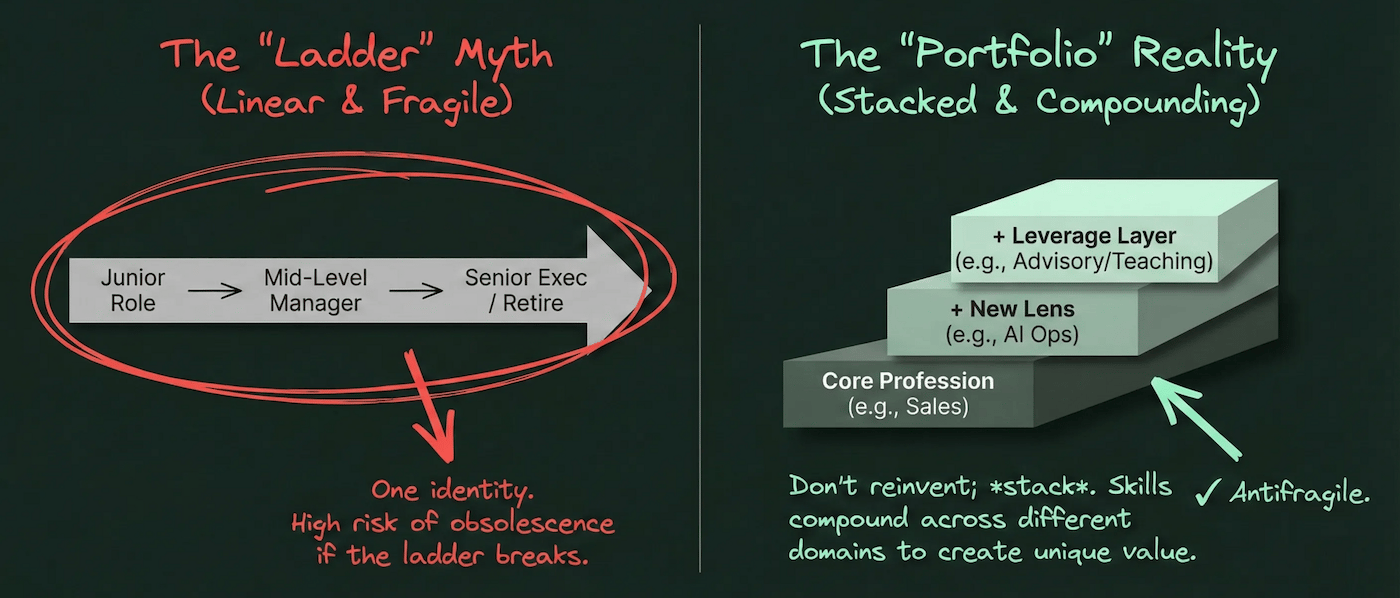
Traditional career advice pushes you to climb a single ladder straight up, but I've noticed the people who seem happiest and most resilient stack complementary skills instead.
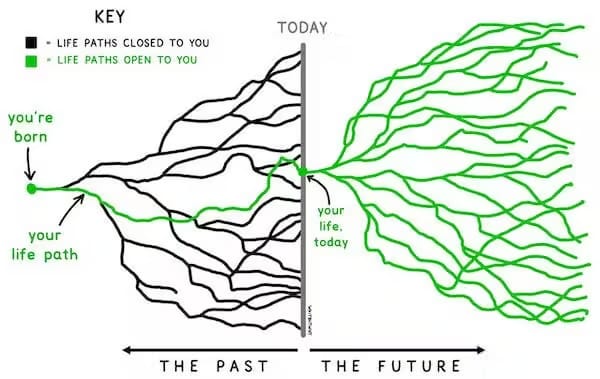
We often obsess over past choices or worry about decisions we didn't take (the black lines). But realistically, we have no idea if those alternate paths would’ve turned out well long-term — even if they seemed appealing at the time.
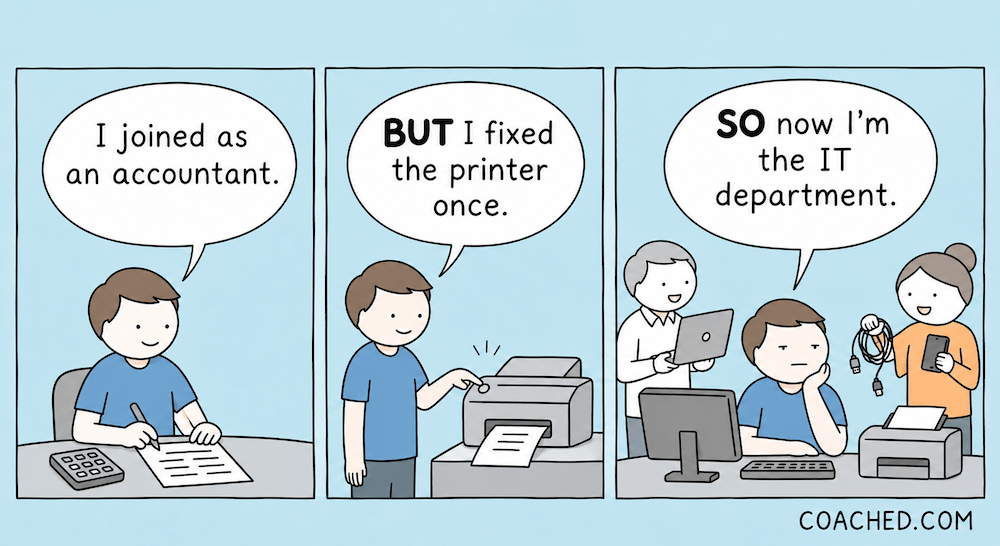
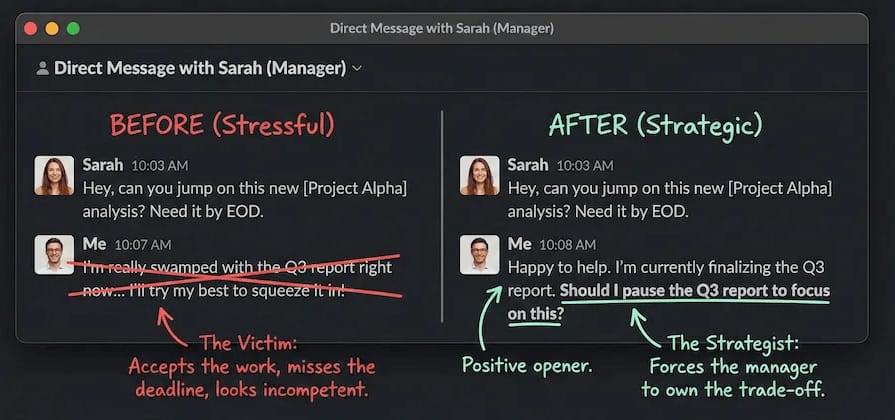
If you're good at your job, people inevitably ask for more of your time. But directly saying no can seem unhelpful, while saying yes to everything hurts your actual priorities.
This is what 90% of resume bullets look like:
Your resume has all the right pieces - action verbs, specific tasks, even some numbers. But you're still not getting interviews.
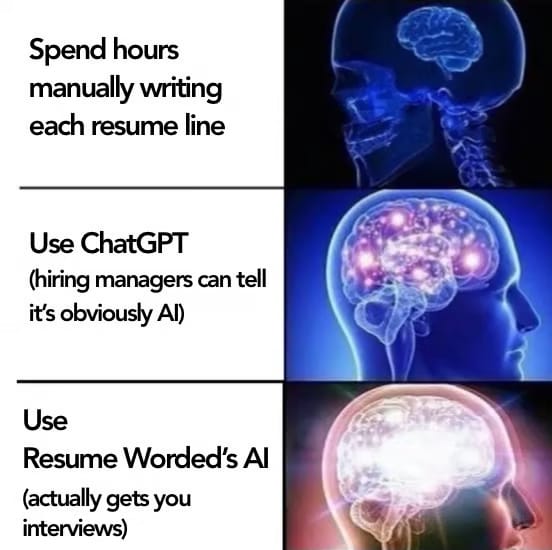
More people are using AI to write their resumes. But there’s a problem: most AI tools are making resumes WORSE.
You've probably heard the advice: a good resume has numbers. Quantify your impact. Show metrics.
Your resume isn't getting you interviews. One possible reason? It looks scattered - hiring managers can't tell what you're actually good at.
Your resume isn't getting you interviews. Not because you're unqualified - but because hiring managers can't tell if you're qualified.
Look at these two resume lines:
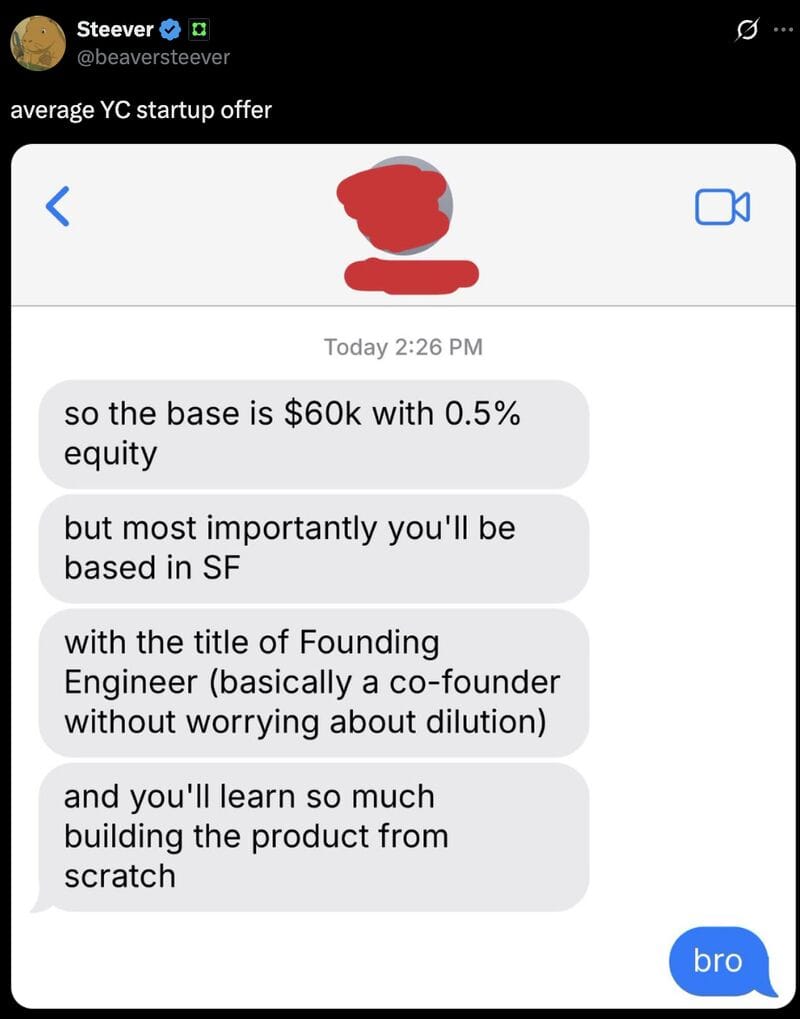
This text is a perfect example of how to spot a bad deal.
Most people introduce themselves the exact same way: "Hi, I'm [name] and I work at [company] as a [title]."
If you're a senior job seeker — or an executive — you'll find this especially useful. Even if you aren't, skim through it anyway since a couple of these learnings apply to resumes at all stages.
You might have come across the STAR method, which stands for Situation, Task, Action, Result. It's usually known as an effective framework for answering interview questions.
A few times a month, I share thoughts on life and career strategy—drawn from my own work and conversations with people I learn from.