Hi, friends! It's Rohan. It’s another week of Coached — the coaching email that takes a few minutes to read, but contains stuff that will speed up your career by years.
Today's Mentor's Corner is about finding answers to your toughest career questions. We often look everywhere for advice, but overlook the most reliable source. I'll share a toolkit to help you tap into it for any decision in your career (and life). Also, if you’re on a job search, read the resume advice in the bottom half of the email.
And, here’s something new you need to try: We created this 15-minute personality test with a team of PhDs and researchers. It reveals how you truly operate — your hidden patterns, what motivates you, why you work the way you do:
Try the Coached Impact AssessmentThe science-backed career and personality test. Takes 15 minutes.
Estimated read time: 4 minutes 18 seconds
📈 Mentor's Corner
Insights put together by me. One practical lesson a week that will make a measurable impact on your career, delivered right to you — for $0.
Are you looking for advice or permission?
One of the best parts of writing this newsletter is the replies. People send all kinds of stuff — nice messages, career wins, questions they're wrestling with. I try to address them when I can, either by replying or working them into future essays.
But there's an interesting pattern I see a lot in questions I get:
A lot of people are not really asking for advice. They're asking for permission to do what they already know they should do.
For example:
"I hate my job, my boss is toxic, and it's affecting my mental health. I’m not sure what to do. Help?"
→ Answer: Look for another job
“I REALLY want to start a side hustle, but I don’t feel I have the time. What should I do?”
→ Answer: Make time for the side hustle.
“I want to grow my network on LinkedIn, but I don’t know what to post about. What can I do?”
→ Answer: Write what you know about and love.
(oh and side note, optimize your LinkedIn first using this free tool)
The answers are often surprisingly simple. If a friend came to you with these problems, you'd tell them the answer immediately. So why do we struggle to tell ourselves the same thing?
🧿 The Trust Issue
I used to do this constantly. For every decision — even small ones — I'd ask everyone for their opinion. But looking back, I knew what felt right each time.
When we ask these questions, we usually already know the answer. We just want someone else to confirm it because:
We don't trust our own judgment.
It’s a big problem.
If we need other people to make decisions for us, are we ever really in charge of our careers?
Worse, when we're always looking for input from others, we often end up stuck. You ask one person, then another, then another... get conflicting opinions, and end up more confused than when you started.
What should you do instead?
👥 The Friend Test
We're great at solving other people's problems. But terrible at solving our own.
This is actually well-documented — it's called the Solomon Paradox: we give wiser advice when we have distance from the situation.
The solution:
Pretend that your best friend’s in the situation that you’re in. What advice would you give them? Your ideas will probably be bang on.
(Try this now so you remember this technique: What's something you're stuck on? If your friend came to you with the same thing, what would you tell them?)
👨🏻🏫 Act as your own mentor
Putting yourself in the shoes of a mentor can often be much more insightful than asking the mentor themselves.
Here's what I mean. Pick someone whose thinking you admire — could be a past manager, a podcaster you respect, a famous founder, your wise grandmother, whoever. Now ask yourself: if I brought this problem to them, what would they tell me?
You'll probably have a decent answer with that simple question. You've absorbed more of their thinking than you realize.
But there's a way to make this even better: use AI.
I do this a ton. If I wanted to ask Jeff Bezos a question, I can just upload a bunch of his writing (i.e. he wrote a lot of shareholder letters as CEO of Amazon) to ChatGPT, and ask: “Based on how you think, what would you tell me to focus on?”
The answers are ridiculously specific. You can upload books, podcast transcripts, and even YouTube videos (on Gemini), and ask questions as if the author is coaching you directly.
🥷🏿 YOU are the expert
Why do we turn to others for answers?
Because we assume they know something we don't. And sometimes that's true—your doctor knows more about medicine, your mechanic knows more about cars.
But when it comes to your own life and career, you're the one with the full picture. You know your situation, your goals, your fears, what you actually want.
Even your best mentors are working with incomplete information. They're giving advice based on what you've told them, filtered through their own experiences.
You are the expert on your own life. Trust that.
…got a smart friend who loves getting better?
Tell them about Coached! I put a ton of time into my essays and love seeing them reach people who want more out of their careers.
If you want to share this essay with a friend, or colleague, here’s a link to it: coached.com/essays/advice-or-permission/
🫀 Trust (and train) your gut
Gut instincts are usually right.
Why? They're not coming from your conscious mind with its limited processing power. They're coming from your subconscious, which draws on everything you've ever experienced, and pattern-matching you're not even aware of.
So ask yourself: what does my gut say? What feels right, even if it scares me a bit?
That last part is key. Often what we interpret as fear is actually our gut pushing us toward growth.
And trusting your gut is like a muscle. The more you use it, the stronger it gets.
🙋 So should I never ask for help?
Not at all! Definitely ask for help. Getting input is valuable, especially for big decisions. Multiple perspectives will broaden your thinking.
But use advice to supplement your judgment, not replace it.
The more we outsource decisions to others, the weaker our own judgment becomes. We start needing permission for things we're perfectly capable of deciding ourselves.
And most of the time, we already know the answer. All we're missing is the courage to act.
If you enjoyed this essay, all I’d like in return is one small favor.
(I don’t ask you for a lot….rather, these emails are expensive to send out, yet I keep them free and don’t paywall the best parts). Just do any of these - it really helps!
1. Know someone on a job search? Tell them about Resume Worded.
It’ll make their job search a lot shorter. They can get a free resume review at resumeworded.com/free-resume-review
2. Got a smart friend who LOVES getting better? Tell them about Coached.
I love seeing them reach people who want more out of their careers. If you want to share this essay with a friend, or colleague, here’s a link to it: coached.com/essays/advice-or-permission/ - I promise to keep the quality of my emails high so they love you for it.
3. Leave a quick review for Coached.
You get ideas that change your career for the better. In return, a short 30-second review would make me feel good about spending the time to write this. I think it’s a fair trade. Do it here.

🤭 In all unseriousness
🤣 BTW: use this AI cover letter tool. It’ll write cover letters that actually have personality and don’t sound like AI — unlike ChatGPT.
Generate a cover letterDon't waste your time writing a cover letter for each job. Generate one that doesn't sound like AI.
🔎 Speed Up Your Job Search
One actionable piece of advice to help you hack your job search.
The resume mistake that makes you sound junior (even if you're not)
Look at these two resume lines:
❌ Managed social media accounts and increased engagement
✅ Grew company Instagram from 800 to 2,500 followers in 4 months by posting 3x weekly and collaborating with industry accounts
Same work. One sounds like an intern task, the other sounds like someone who knows what they're doing.
The difference? Specificity.
Most resume bullets are vague because people think they need to keep things general. But vague bullets make hiring managers skip right past you.
Here's another example:
❌ Led team to complete projects on time
✅ Led team of 5 analysts to deliver quarterly reports 3 days ahead of deadline, allowing senior leadership extra time for strategic planning
See the difference? The second set actually shows what you accomplished. When hiring managers see bullets like these, they stop and think "I need to talk to this person."
You likely have these details somewhere - team sizes, timelines, growth numbers, actual impact. You just don't know how to frame them, which is totally normal if you're not used to writing resumes.
Feel free to steal these examples and tweak them for your own resume. BUT, here’s an even smarter idea:
Upload your resume here and let our AI rewrite all your bullets with your actual details. It’ll also catch other mistakes you don’t realize you’re making.
Takes about 30 seconds. Might actually get you interviews.
Stop applying to jobs with a bad resume!
Optimize it once for free.


🫵 Before we wrap up
What'd you think of today's edition?
🤢 You didn't bring enough value.
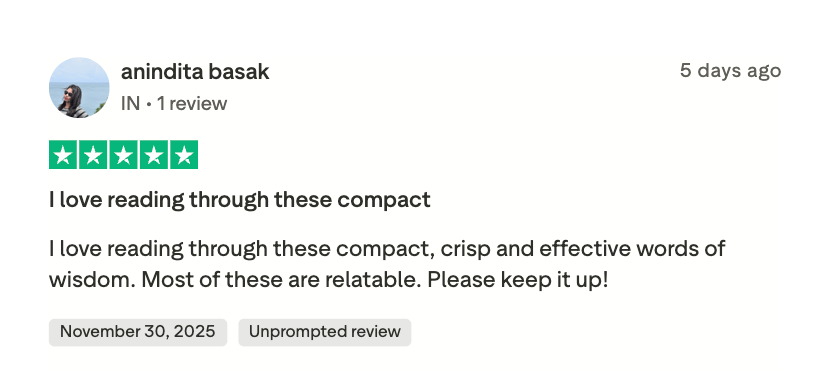
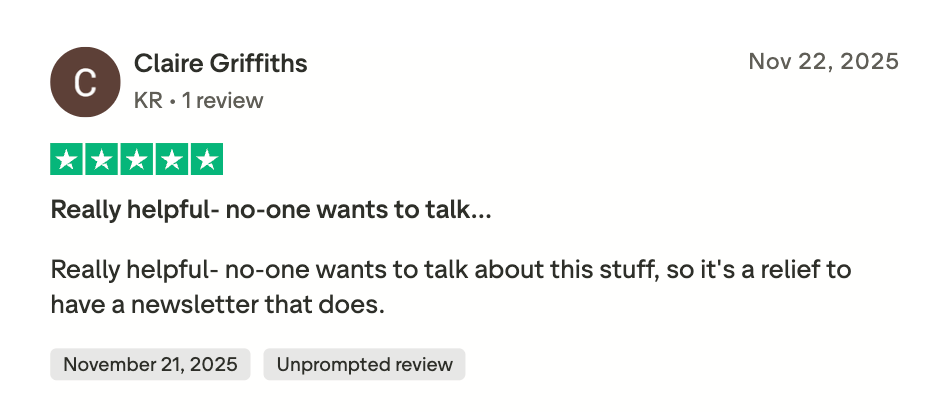
Here are some reviews of my last email. Leave one here. You’ll be in good company :-)
If you missed it last week, see it here.
And if you’re new here, join at Coached.com to get the next one
Until next time,

Rohan
Founder at Coached & Resume Worded