There's one ingredient missing from most modern careers. Surprisingly, it's also the same thing that science shows makes us happier. In today's Mentor's Corner, let's talk about what this is - and how to get more of it. And if you’re job searching, don’t skip the resume advice in the bottom half of the email.
Quick ask: I spend a big chunk of my week writing these coaching emails, but keep them free. In return, I’d just like you to spread the word. Two ways:
Know someone who’s on a job search? Tell them to check out Resume Worded. They can get a free resume review here. It’ll make their job search shorter.
Forward this email to a friend or family member if you think they’d get value from it.
Estimated read time: 5 minutes 5 seconds
How good is your resume?
Use Resume Worded to find out. In 2 minutes.


📈 Mentor's Corner
Insights put together by me. One practical lesson a week that will make a measurable impact on your career, delivered right to you — for $0.
The career “ingredient” I think most people are missing
In 1926, a guy called Arnold Bennett wrote a short book to help people get more out of their lives.
He called it:
“How to Live on 24 Hours a Day.”
The gist:
Most people come home from work, collapse on the sofa, watch a little television, eat a meal… and then say, “By George! Is that time for bed already?” So they go to bed, wake up tired, and arrive unenthusiastically at work the next day.
For these people, evenings and weekends fly by, and their entire life seems to revolve around just one thing:
Work.
Bennett’s solution?
Make the most out of your time outside of work.
Because ironically, the more productive your leisure time, the more energised and creative you’ll feel when working.
Sounds weird, but I’m with him 100%.
When I waste time watching Netflix or scrolling through socials, I always feel more “meh” about work the next day.
So, in today’s edition of Coached…
Let me tell you why we're all feeling a bit dead inside.
🧬 Science lesson: you NEED creativity to be happy
Creativity — the act of making/trying new things — literally triggers dopamine (the feel-good chemical in our brains). It’s one of the big drivers of motivation and satisfaction.
There's even a theory that creativity is what made us human - it's what separates us from chimps.
Is that baloney? I'm not a biologist, so can't say either way.
But look at human history. We've always been creators: fires, huts, shelters, weapons, tools, clothes, jokes, stories, cave drawings, paintings, recipes, words, ideas and businesses.
Whether it's 10,000 BC or 2024, it doesn't matter - creating is natural to us.
But here's our modern problem:
We CONSUME way more than we create. Netflix. Instagram. Twitter/X. YouTube.
And at work? We're stuck in routines. Same meetings, same tasks, same problems, day after day.
Almost zero novelty. Zero autonomy. Zero creativity.
No wonder we feel... blah.
So…
How do we inject this "creativity" back into our lives?
🧠 CREATE.
(duh)
To fix this, you need to start creating again.
The goal is to do something that you do NOT normally do. Essentially - force your brain to think in new ways again.
Break your routine. Make your brain solve a new problem. At work, but also outside of work.
A lot of people confuse creativity with being artsy — but creativity here is more about newness. It’s the mental equivalent of stretching muscles you haven’t used in years.
🤹 Here's what's working for me
For a while now, I've been doing what I’m calling now as "creativity workouts" - basically, COMMITTING to doing something creative every week. Some examples…
For work:
Writing career advice from a fresh, playful angle (like the essay I wrote on "how to win at work while being LAZY" - read it here if you missed it, a lot of people liked it!)
Writing the occasional ‘funny’ content on LinkedIn, instead of only serious career advice, like this
Doing stand up comedy - I wrote about what standup taught me here (it’ll teach you how to become more interesting and a better communicator)
What do you notice?
None of these were "urgent" or even "important". The point is working that creativity muscle and giving our brain what it craves!
And stuff like this seems to work. It might be placebo, it might be the dopamine, who knows — but I feel recharged every time I work on one of these kinds of tasks.
You can also do this outside of work. I’d also experiment with things like these:
Trying a totally new workout or new machines/exercises at the gym I’ve never done before
Listening to podcast categories I usually skip
…got a smart friend who loves getting better?
Tell them about Coached! I put a ton of time into my essays and love seeing them reach people who want more out of their careers.
If you want to share this essay with a friend, or colleague, here’s a link to it: https://coached.com/essays/add-creativity/
💭 Some ideas for you
Steal anything above. Or try these low‑effort ones:
Spend a few hours revamping that presentation deck template you always use
Write an essay to your future self
Rewrite your elevator pitch from scratch
Come up with a new recipe
Rearrange a room or desk
Write a short LinkedIn post about a random topic you like - fashion, history, etc.
(And, if you're posting on LinkedIn, make sure your profile clearly represents you—people who read your posts will inevitably check you out. First impressions matter. Use this quick tool from Resume Worded to optimize your LinkedIn profile. Takes 30 seconds. Check it out here.
Start small! The important thing is to make creativity a habit.
Nothing needs to be important or life‑changing.
The goal is simply to use the creativity muscle that corporate life almost never asks for.
🧭 This stuff works (and makes you BETTER at work)
A cool example of someone who practiced creativity is Oren Klaff.
Klaff’s one of the most successful dealmakers of all time, making more than $2 billion dollars (that’s billion, with a “B”) worth of deals single-handedly, competing on his own against the biggest investment banks on the planet.
On a podcast, he mentioned one of his “secret” weapons that transformed his deal-making skills.
You know what it was?
It wasn’t hard work…Or “networking”...
It was classes in improv comedy.
Improv forced him to be creative and “get loose”, which helped him think on his feet and be more engaging in his deals.
This also connects to something I've noticed again and again:
The most valuable careers aren't built on being world-class at one single skill — they're built on combining skills that rarely go together.
People assume career growth means becoming deeply specialized. But you don't need to become the world's leading expert in one field to stand out. You can combine multiple interests instead.
Practically, this means following your curiosity even if it seems unrelated to your job:
If you like consumer psychology, read that psych paper that caught your eye — it won't be a waste of time. It might just shift how you approach feature design.
Fascinated by stand-up comedy? Learn joke-writing techniques — it might make your sales demos far more persuasive.
You can't predict exactly how different interests will overlap. But they almost always do, in surprising, valuable ways. And the more unusual your skill combo, the more unique your career becomes.
📌 To wrap up…
Here's what I've learned:
The happiest people aren't the ones with the perfect jobs.
They're the ones who never stopped creating.
Even if it's just for fun.
Especially if it's just for fun.
So tonight, when you're about to collapse on that sofa (like our friend from 1926)...
Try creating something instead.
Anything. Just make it new.
Your brain will thank you.
What’s your creativity workout going to be?
If you enjoyed this essay, all I’d like in return is one small favor.
(I don’t ask you for a lot….rather, these emails are expensive to send out, yet I keep them free and don’t paywall the best parts). Just do any of these - it really helps!
1. Know someone on a job search? Tell them about Resume Worded.
It’ll make their job search a lot shorter. They can get a free resume review at resumeworded.com/free-resume-review
2. Got a smart friend who LOVES getting better? Tell them about Coached.
I love seeing them reach people who want more out of their careers. If you want to share this essay with a friend, or colleague, here’s a link to it: https://coached.com/essays/add-creativity/ - I promise to keep the quality of my emails high so they love you for it.
3. Leave a quick review for Coached.
You get ideas that change your career for the better. In return, a short 30-second review would make me feel good about spending the time to write this. I think it’s a fair trade. Do it here.

🤭 In all unseriousness
🤣 BTW: you shouldn’t be writing your cover letter from scratch anymore. Instead, for a real, actually good cover letter, use this AI cover letter tool. It’ll write cover letters that actually have personality and don’t sound like AI — unlike ChatGPT.
Try it just once for a job you actually want — see how good it is for yourself.
🔎 Speed Up Your Job Search
One actionable piece of advice to help you hack your job search.
What most resume bullets look like vs what they SHOULD look like
This is what 90% of resume bullets look like:
- Managed social media accounts and increased engagement
- Led a team of people to complete projects on time
- Responsible for analyzing data and creating reports
× Vague. Forgettable. Says nothing about what you actually did.
Your resume likely has bullet points like this — and if it does, it’s one reason your resume might not be taking you far.
The thing is, you've achieved way more than what these bullets show. You just need to punch them up. You need specificity, numbers, and stronger language.
One way to do that is with our AI. Here’s how it rewrote the above bullets:
- Managed company Instagram and LinkedIn accounts, growing follower base from 2,000 to 3,500 through consistent posting schedule and engaging with industry content
- Led team of 5 junior analysts to complete quarterly reporting 3 days before deadline, allowing senior leadership extra time for strategic planning
- Analyzed weekly sales data in Excel to identify 8 top-performing products, creating monthly reports that helped managers adjust inventory levels
✔ The same work. Just written like recruiters want to see it.
Notice how these bullets actually show impact. Hiring managers see bullets like this and think "I need to interview this person."
You likely HAVE these details and numbers somewhere. You just don't know how to frame them — which is totally normal for people unfamiliar with resume writing.
To fix that:
Upload your resume here and use the AI — it'll rewrite your bullets to actually show what you did.
P.S. Feel free to steal the good examples and tweak them for your own resume. BUT, an even better idea would be to use our Resume Rewriter features in the tool. Takes about 30 seconds. Might actually get you interviews.
Stop applying to jobs with a bad resume!
Optimize it once for free.
🫵 Before we wrap up
What'd you think of today's edition?
🤢 You didn't bring enough value.
Here are some reviews of my last email. Leave one here. You’ll be in good company :-)
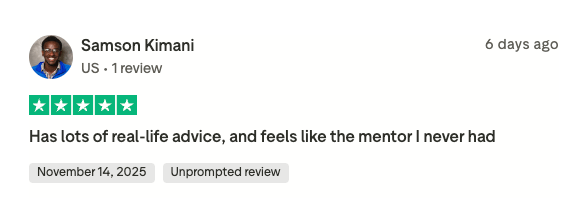
awesome! that’s my goal :)
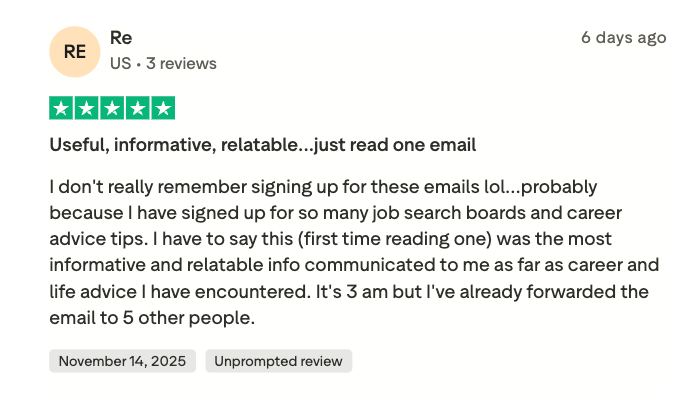
ah, so glad to hear that! thank you for telling others!
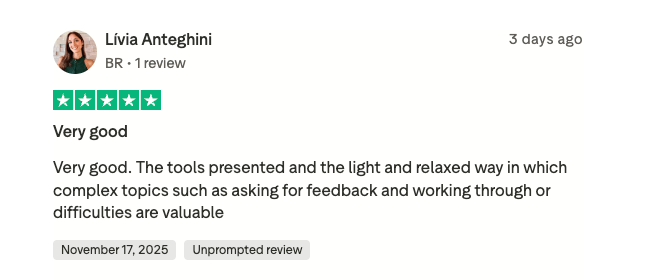
thanks!
If you missed it last week, see it here.
And if you’re new here, join at Coached.com to get the next one
Until next time,

Rohan
Founder at Coached & Resume Worded